

- English
 简体中文
简体中文 Español
 Português
 русский
 Français
 日本語
日本語 Deutsch
 tiếng Việt
 Italiano
 Nederlands
 ภาษาไทย
 Polski
 한국어
한국어 Svenska
 magyar
 Malay
Malay বাংলা ভাষার
 Dansk
Dansk Suomi
Suomi हिन्दी
 Pilipino
 Türkçe
 Gaeilge
 العربية
 Indonesia
 Norsk
Norsk تمل
تمل český
český ελληνικά
 український
 Javanese
 فارسی
فارسی தமிழ்
தமிழ் తెలుగు
 नेपाली
 Burmese
 български
 ລາວ
ລາວ Latine
 Қазақша
 Euskal
 Azərbaycan
 Slovenský jazyk
 Македонски
 Lietuvos
 Eesti Keel
 Română
 Slovenski
 मराठी
मराठी

Flat Rack Shipping Container
For project cargo, heavy machinery, and out-of-gauge freight, a flat rack shipping container provides the open-side and top-loading capability that standard enclosed containers cannot offer. Cargo such as long steel pipes, generators, tracked vehicles, pressure vessels, and prefabricated structural steel can be loaded from the top, side, or rear using cranes, forklifts, or hydraulic trailers. This flexibility is especially valuable in oil and gas, wind energy, construction, mining, and military logistics where large indivisible loads are common. The 20ft Flat Rack Container is engineered with a reinforced steel base frame and strong end walls, making it ideal for dense, compact cargo that needs a small but rigid platform. The 40ft Flat Rack Container extends the same structural design across a longer deck, allowing transport managers to handle longer beams, multiple palletized units, or oversized equipment with fewer securing complications. Unlike standard dry containers, these units have no fixed side walls or roof, so over-height and over-width cargo can often be shipped without extensive dismantling. The flush floor design and recessed lashing points also reduce snagging hazards and speed up cargo securing. The main technical parameters are listed below to support accurate route planning and safe load distribution.
- External dimensions: 20ft model 6,058 mm length × 2,438 mm width × 2,591 mm height; 40ft model 12,192 mm length × 2,438 mm width × 2,591 mm height
- Tare weight: approximately 2,700 kg for 20ft; approximately 4,200 kg for 40ft
- Maximum gross weight: 45,000 kg for both sizes, subject to road and port limits
- End walls: fully welded high-tensile steel frame, available in fixed or collapsible design
- End wall height: 2,591 mm standard; custom heights available on request
- Floor construction: 28 mm–30 mm thick steel deck with anti-slip profile; marine-grade plywood or wood flooring optional
- Lashing rings: recessed D-rings rated from 2,500 kg to 5,000 kg each, located along side rails and end rails
- Corner castings: ISO 1161 compliant, compatible with standard twist locks and lifting equipment
- Fork pockets: two pairs per side, sized for standard forklift tines during empty handling
- Surface treatment: zinc-rich primer with marine-grade topcoat; hot-dip galvanizing optional
- Documentation: valid CSC plate, ACEP information, and latest inspection report included
| Specification | 20ft Flat Rack Container | 40ft Flat Rack Container |
|---|---|---|
| External length | 6,058 mm | 12,192 mm |
| External width | 2,438 mm | 2,438 mm |
| External height | 2,591 mm | 2,591 mm |
| Tare weight | 2,700 kg | 4,200 kg |
| Max gross weight | 45,000 kg | 45,000 kg |
| Floor material | Steel deck, 28–30 mm | Steel deck, 28–30 mm |
| End wall type | Fixed or collapsible | Fixed or collapsible |
| Lashing rings | Up to 12 | Up to 24 |
| Fork pockets | Yes | Yes |
| CSC certification | Included | Included |
| Typical applications | Machinery, pipes, coils | Beams, turbines, modules |
Every Flat Rack Shipping Container is fabricated from high-tensile Corten steel for the main rails, corner posts, and floor cross members, which delivers excellent resistance to corrosion, impact, and fatigue under repeated heavy loads. The side rails are reinforced with full-length plate sections to handle concentrated point loads from tracked vehicles, steel coils, or transformer feet, while the end walls can be folded down when units are positioned for compact return transport. During production, each unit is dimensionally checked, weld-inspected, and subjected to a floor load test before the CSC data plate is attached. Buyers can specify additional lashing points, higher end walls, removable stanchions, side brackets, or special coating systems to match project-specific requirements. All units are compatible with standard container spreaders, terminal tractors, and twist-lock securing equipment, which simplifies handling at ports, depots, and remote job sites. The open-platform layout also makes it easier to inspect the floor, verify lashing ring condition, and perform routine maintenance between shipments. For offshore and highly corrosive environments, hot-dip galvanizing is available to extend service life and reduce the need for frequent recoating. Manufacturers typically apply a two-pack epoxy primer and a marine-grade topcoat as standard, with additional stripe coats on welds and edges. After final inspection, the container is marked with gross weight, tare weight, net weight, and CSC approval details in line with the latest IMO/ILO/UNECE requirements. This open-platform approach supports safe, repeatable cargo handling and gives freight forwarders and project owners a practical platform for difficult over-dimensional moves. Transport planning is further simplified by the container's standard ISO footprint, which matches the same corner casting spacing used on standard dry and reefer units. This allows flat rack platforms to be stacked, secured, and transferred with the same equipment already available at most container terminals. For shipments that involve partial disassembly of machinery, the open deck provides a clean, accessible surface for chain and strap placement without the need to work inside a confined box.
Related Products


Hot Products
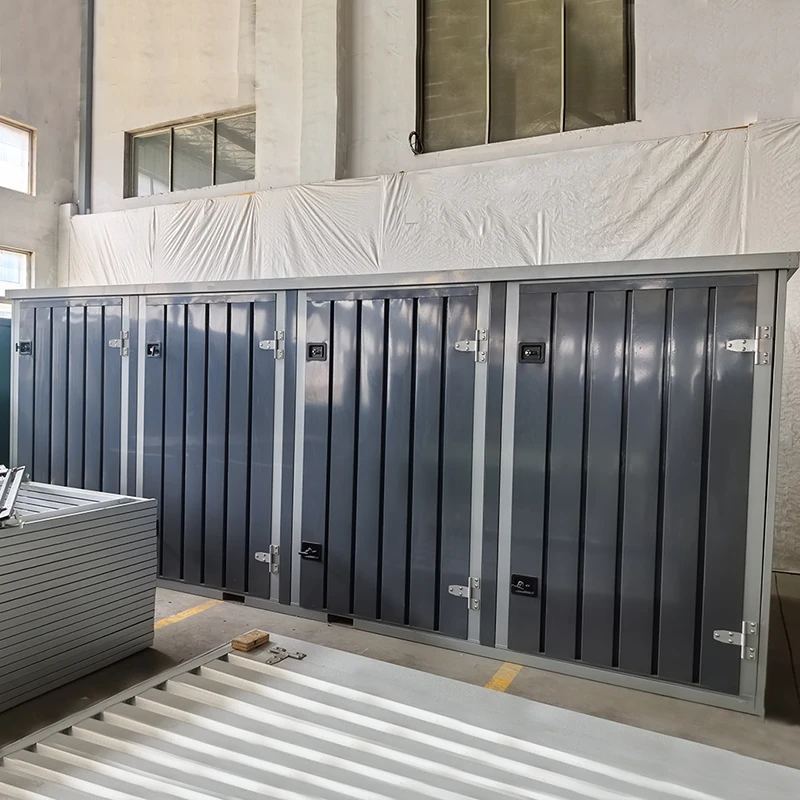
Flat Pack Self-storage Container
The superior multi-compartment flat pack self-storage container from Container Family is a modular steel-material storage unit which is especially designed for self-storage industry.The whole container features excellent waterproof and corrosion-resistant performance,can be placed outside for a long time.We provide full customization service for the container!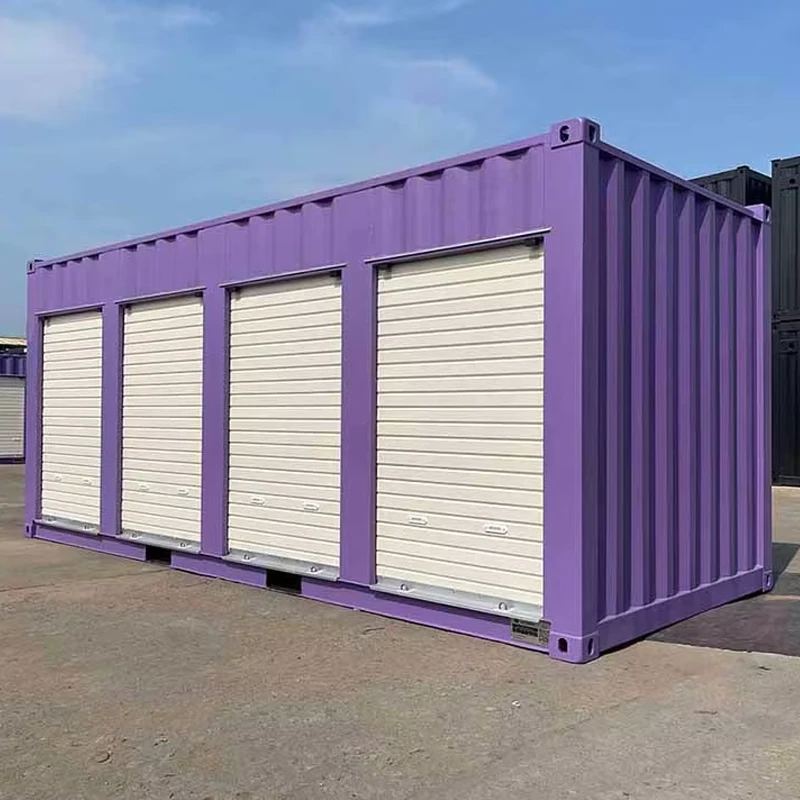
Roll Shutter Door Self-Storage Container
The quality roll shutter door self-storage container from Container Family is a modern and trendy warehouse-style container that perfectly suits individual or corporate storage needs.Container Family factory offers 20ft or 40ft containers. They usually have 2 to 6 side sliding doors and have received unanimous praise from Japanese customers.
Livestock Container
Container Family is a leading China livestock container manufacturer. Container Family specializes in providing livestock containers. These containers are primarily used for the transportation and temporary housing of various livestock, including cattle, sheep, and poultry. They offer a safe, hygienic, and mobile solution for farmers and livestock handlers, enabling efficient management and relocation of animals. The containers are designed to meet the specific needs of livestock, ensuring their comfort and well-being during transit or temporary stays.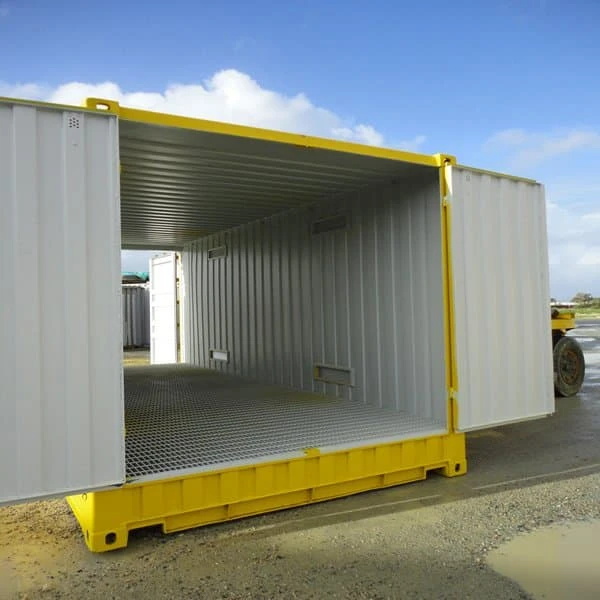
Pallet Wide Shipping Container
The quality pallet wide shipping container from Container Family is specifically designed for European pallets. Its width measures 2462mm, which is wider than the standard logistics container (2438mm). This allows two European pallets to be placed side by side inside, effectively utilizing the internal space.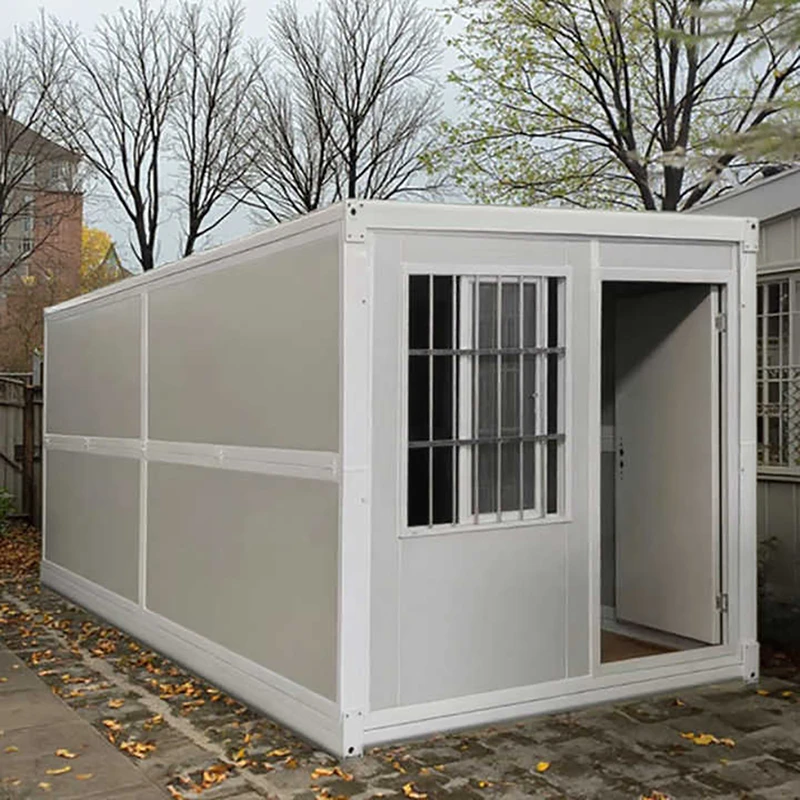
X-type Folding Container
Container Family direct quality X-type folding container with cross X folding structure,there is no inner support columns for full open interior space;Equipped with pre-installed door,windows and electric system,can be unfolded within 8mins,so it is a good choice for temporary site office,outing camping and emergency shelter;Customized color,size,printed logo are available!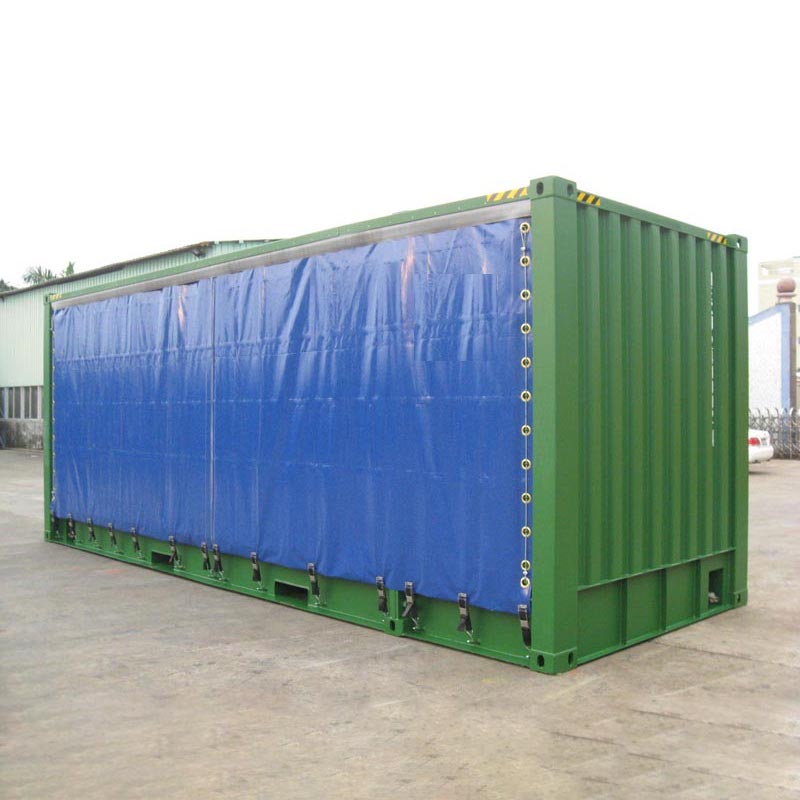
Curtain Side Container
High quality curtain side container is offered by China manufacturer Container Family. Container Family curtain side containers are a very durable and secure way to transport your cargo because the curtain covers the longer sides of the container. This design allows you to easily and quickly access your goods, and it also makes loading and unloading for transport or delivery a hassle-free process. No matter which industry you’re in, if you need to efficiently and securely ship cargo, our curtain side containers are a great option.
- Related Blog
- Reviews

Send Inquiry



X
We use cookies to offer you a better browsing experience, analyze site traffic and personalize content. By using this site, you agree to our use of cookies.
Privacy Policy