

- English
 简体中文
简体中文 Español
 Português
 русский
 Français
 日本語
日本語 Deutsch
 tiếng Việt
 Italiano
 Nederlands
 ภาษาไทย
 Polski
 한국어
한국어 Svenska
 magyar
 Malay
Malay বাংলা ভাষার
 Dansk
Dansk Suomi
Suomi हिन्दी
 Pilipino
 Türkçe
 Gaeilge
 العربية
 Indonesia
 Norsk
Norsk تمل
تمل český
český ελληνικά
 український
 Javanese
 فارسی
فارسی தமிழ்
தமிழ் తెలుగు
 नेपाली
 Burmese
 български
 ລາວ
ລາວ Latine
 Қазақша
 Euskal
 Azərbaycan
 Slovenský jazyk
 Македонски
 Lietuvos
 Eesti Keel
 Română
 Slovenski
 मराठी
मराठी

How Does an Energy Storage Container Transform Modern Power Solutions?
Abstract
As global energy demand grows and renewable integration accelerates, efficient and scalable storage solutions have become critical. The Energy Storage Container has emerged as a flexible, modular, and cost-effective approach to storing electricity. This article explores how these systems work, their key components, advantages, real-world applications, and how businesses can select the right solution to address operational challenges.
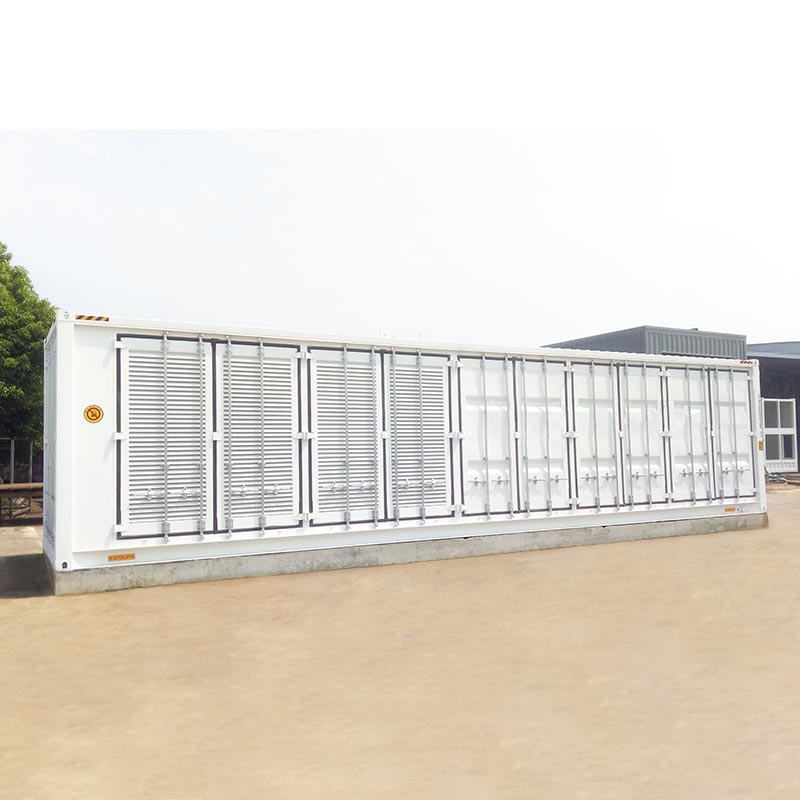
Table of Contents
- 1. What Is an Energy Storage Container?
- 2. Core Components and System Architecture
- 3. How Energy Storage Containers Work
- 4. Key Benefits for Businesses and Utilities
- 5. Common Use Cases and Applications
- 6. How to Choose the Right Solution
- 7. Challenges and Considerations
- 8. FAQ
1. What Is an Energy Storage Container?
An Energy Storage Container is a self-contained system that integrates batteries, power conversion equipment, thermal management, and monitoring systems within a standardized container structure. These units are designed for rapid deployment, scalability, and easy transportation.
Unlike traditional stationary battery rooms, containerized solutions provide a plug-and-play approach. They are widely used in renewable energy projects, industrial backup systems, and grid stabilization applications.
2. Core Components and System Architecture
Understanding the internal architecture helps users evaluate performance and reliability. A typical system includes:
- Battery Modules: Usually lithium-ion or LFP cells providing energy storage capacity.
- Battery Management System (BMS): Ensures safe operation by monitoring voltage, temperature, and state of charge.
- Power Conversion System (PCS): Converts DC power to AC and vice versa.
- Thermal Management: Air or liquid cooling to maintain optimal operating conditions.
- Fire Protection System: Advanced detection and suppression technologies.
- Energy Management System (EMS): Controls charging/discharging strategies and optimizes performance.
| Component | Function |
|---|---|
| Battery Packs | Store electrical energy |
| BMS | Ensures safety and performance monitoring |
| PCS | Handles power conversion |
| Cooling System | Maintains temperature stability |
| EMS | Optimizes system operation |
3. How Energy Storage Containers Work
The working principle is straightforward but technologically advanced. Energy is stored during periods of low demand or high renewable generation and released when demand peaks.
The process involves:
- Electricity is stored in battery cells as chemical energy.
- The BMS continuously monitors system health.
- The PCS converts stored DC energy into usable AC power.
- The EMS determines optimal charge/discharge cycles based on demand patterns.
This intelligent coordination enables peak shaving, load shifting, and backup power supply, making operations more efficient and reliable.
4. Key Benefits for Businesses and Utilities
Energy Storage Containers address several pain points faced by modern energy users:
- Scalability: Modular design allows easy expansion.
- Mobility: Containerized format enables relocation.
- Fast Deployment: Pre-assembled units reduce installation time.
- Cost Efficiency: Lower infrastructure and operational costs.
- Grid Stability: Supports frequency regulation and peak management.
- Renewable Integration: Stores excess solar or wind energy.
For companies like Container Family, delivering reliable and customizable solutions is essential to meet diverse industry needs.
5. Common Use Cases and Applications
Energy Storage Containers are used across various sectors:
- Renewable Energy Projects: Store solar and wind power.
- Industrial Facilities: Reduce peak demand charges.
- Data Centers: Provide backup power.
- Microgrids: Enable energy independence.
- Electric Vehicle Charging Stations: Support fast charging infrastructure.
These applications highlight their versatility and growing importance in modern energy ecosystems.
6. How to Choose the Right Solution
Selecting the right Energy Storage Container requires careful evaluation:
- Capacity Requirements: Determine kWh and power output needs.
- Battery Type: LFP offers safety and longevity advantages.
- Environmental Conditions: Consider temperature and humidity.
- Safety Standards: Ensure compliance with certifications.
- Supplier Expertise: Choose experienced providers like Container Family.
You can explore a professional solution here: Energy Storage Container Product Page
7. Challenges and Considerations
Despite the advantages, users should be aware of potential challenges:
- Initial Investment: Higher upfront costs compared to traditional systems.
- Thermal Risks: Requires advanced cooling and fire protection.
- Lifecycle Management: Battery degradation over time.
- Regulatory Compliance: Must meet local energy and safety regulations.
Addressing these issues through proper design and supplier selection ensures long-term success.
8. FAQ
Q1: How long does an energy storage container last?
Most systems last 10–15 years depending on battery type and usage cycles.
Q2: Are energy storage containers safe?
Yes, modern systems include advanced BMS and fire protection mechanisms to ensure safety.
Q3: Can these systems be expanded later?
Absolutely. Modular design allows additional units to be added as demand grows.
Q4: What industries benefit the most?
Renewable energy, manufacturing, data centers, and utilities see significant advantages.
Q5: How quickly can installation be completed?
Typically within weeks due to pre-engineered containerized design.
Conclusion
Energy Storage Containers are redefining how energy is stored, managed, and deployed. Their modularity, efficiency, and adaptability make them a cornerstone of modern power infrastructure. Whether supporting renewable energy or ensuring operational continuity, these systems provide tangible value across industries.
If you are looking for a reliable and high-performance solution, Container Family offers tailored energy storage systems designed to meet your specific needs. Contact us today to discover how we can help optimize your energy strategy and drive long-term efficiency.
Send Inquiry



X
We use cookies to offer you a better browsing experience, analyze site traffic and personalize content. By using this site, you agree to our use of cookies.
Privacy Policy