

- English
 简体中文
简体中文 Español
 Português
 русский
 Français
 日本語
日本語 Deutsch
 tiếng Việt
 Italiano
 Nederlands
 ภาษาไทย
 Polski
 한국어
한국어 Svenska
 magyar
 Malay
Malay বাংলা ভাষার
 Dansk
Dansk Suomi
Suomi हिन्दी
 Pilipino
 Türkçe
 Gaeilge
 العربية
 Indonesia
 Norsk
Norsk تمل
تمل český
český ελληνικά
 український
 Javanese
 فارسی
فارسی தமிழ்
தமிழ் తెలుగు
 नेपाली
 Burmese
 български
 ລາວ
ລາວ Latine
 Қазақша
 Euskal
 Azərbaycan
 Slovenský jazyk
 Македонски
 Lietuvos
 Eesti Keel
 Română
 Slovenski
 मराठी
मराठी

How Can Open Top Containers Optimize Your Shipping Needs?
Abstract
Open top containers are increasingly essential for industries handling oversized or heavy cargo that cannot fit into standard containers. This article explores their advantages, operational considerations, and practical applications, providing valuable insights to help businesses optimize logistics, reduce costs, and enhance efficiency.
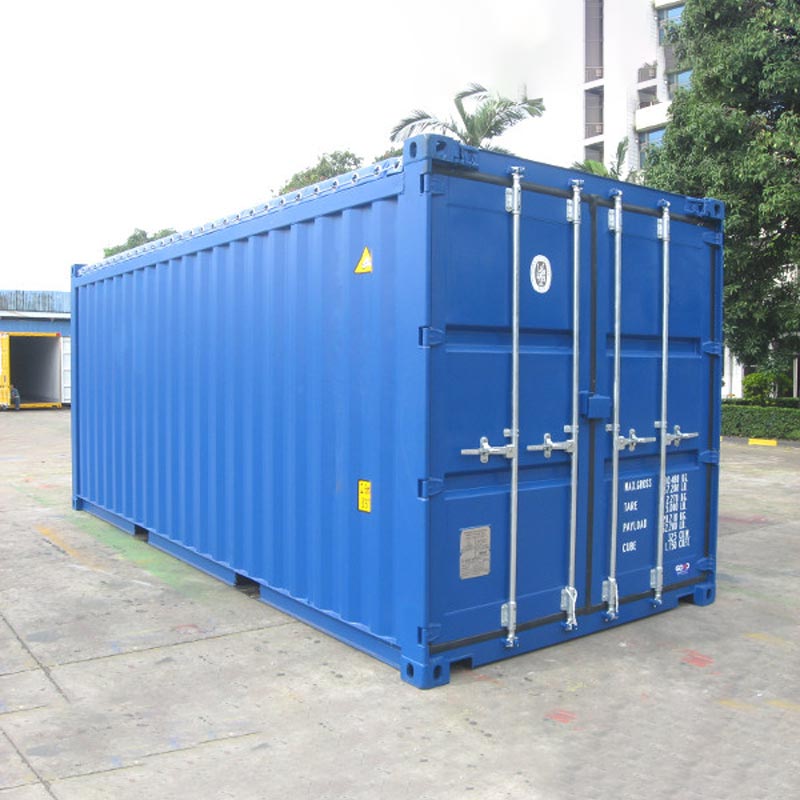
Table of Contents
- What is an Open Top Container?
- Key Advantages of Open Top Containers
- Different Types of Open Top Containers
- Loading and Unloading Procedures
- Safety Considerations
- Frequently Asked Questions
- Contact Container Family
What is an Open Top Container?
An open top container is a type of shipping container without a fixed roof, allowing cargo to be loaded and unloaded from the top. These containers are ideal for oversized items, heavy machinery, and materials that require crane handling. They come with a removable tarpaulin cover to protect goods from weather while maintaining flexibility for loading.
Structure and Features
- Removable tarpaulin roof for flexibility
- Strong steel frame for durability
- Reinforced corners for lifting and stacking
- Various sizes available, typically 20ft and 40ft
Key Advantages of Open Top Containers
Businesses can benefit from open top containers in multiple ways:
| Advantage | Description |
|---|---|
| Flexibility | Allows loading of tall or awkwardly shaped cargo that won't fit through standard doors. |
| Efficiency | Top loading speeds up operations when cranes or forklifts are available. |
| Cost-Effective | Reduces the need for specialized transportation equipment for oversized goods. |
| Durability | Sturdy construction ensures protection during long-haul transportation. |
Different Types of Open Top Containers
Open top containers vary depending on cargo requirements. The most common types include:
- Standard Open Top: Suitable for general oversized cargo.
- High Cube Open Top: Extra height for particularly tall items.
- Heavy Duty Open Top: Reinforced for very heavy cargo.
Loading and Unloading Procedures
Correct handling of open top containers is critical to ensure cargo safety:
- Preparation: Inspect container for damage and ensure tarpaulin is intact.
- Top Loading: Use cranes or forklifts to place cargo inside the container safely.
- Securing Cargo: Use straps, braces, and blocking techniques to prevent movement.
- Tarpaulin Cover: Once loaded, secure the tarpaulin to protect against weather.
Safety Considerations
Handling open top containers requires attention to safety regulations:
- Always use certified lifting equipment.
- Ensure proper weight distribution to prevent tipping.
- Verify the tarpaulin is securely fastened to avoid exposure to weather.
- Train personnel on proper loading techniques.
Frequently Asked Questions
Q1: Can open top containers be used for all types of cargo?
A1: They are ideal for oversized and heavy cargo but may not be suitable for items sensitive to weather exposure without additional protection.
Q2: How are open top containers transported?
A2: They can be shipped via trucks, trains, and ships, similar to standard containers, with the added requirement of securing the tarpaulin cover.
Q3: Are there size limitations?
A3: Standard sizes are 20ft and 40ft, with variations like high cube containers offering extra height.
Q4: What maintenance is required?
A4: Regular inspections for rust, structural damage, and tarpaulin integrity are essential to maintain safety and durability.
Contact Container Family
Looking to optimize your logistics with open top containers? Container Family offers a range of high-quality open top containers designed to meet your shipping needs. Contact us today to get personalized advice and solutions tailored to your business.
Send Inquiry



X
We use cookies to offer you a better browsing experience, analyze site traffic and personalize content. By using this site, you agree to our use of cookies.
Privacy Policy