

- English
 简体中文
简体中文 Español
 Português
 русский
 Français
 日本語
日本語 Deutsch
 tiếng Việt
 Italiano
 Nederlands
 ภาษาไทย
 Polski
 한국어
한국어 Svenska
 magyar
 Malay
Malay বাংলা ভাষার
 Dansk
Dansk Suomi
Suomi हिन्दी
 Pilipino
 Türkçe
 Gaeilge
 العربية
 Indonesia
 Norsk
Norsk تمل
تمل český
český ελληνικά
 український
 Javanese
 فارسی
فارسی தமிழ்
தமிழ் తెలుగు
 नेपाली
 Burmese
 български
 ລາວ
ລາວ Latine
 Қазақша
 Euskal
 Azərbaycan
 Slovenský jazyk
 Македонски
 Lietuvos
 Eesti Keel
 Română
 Slovenski
 मराठी
मराठी

How Does a Mini Container Optimize Space and Storage Efficiency?
Abstract: This article explores how a Mini Container solves modern storage and logistics challenges by offering compact structure, flexible applications, and cost-efficient transport solutions. It explains design principles, use cases, advantages, and selection criteria to help businesses and individuals make informed decisions when choosing mini container systems for storage or modular applications.
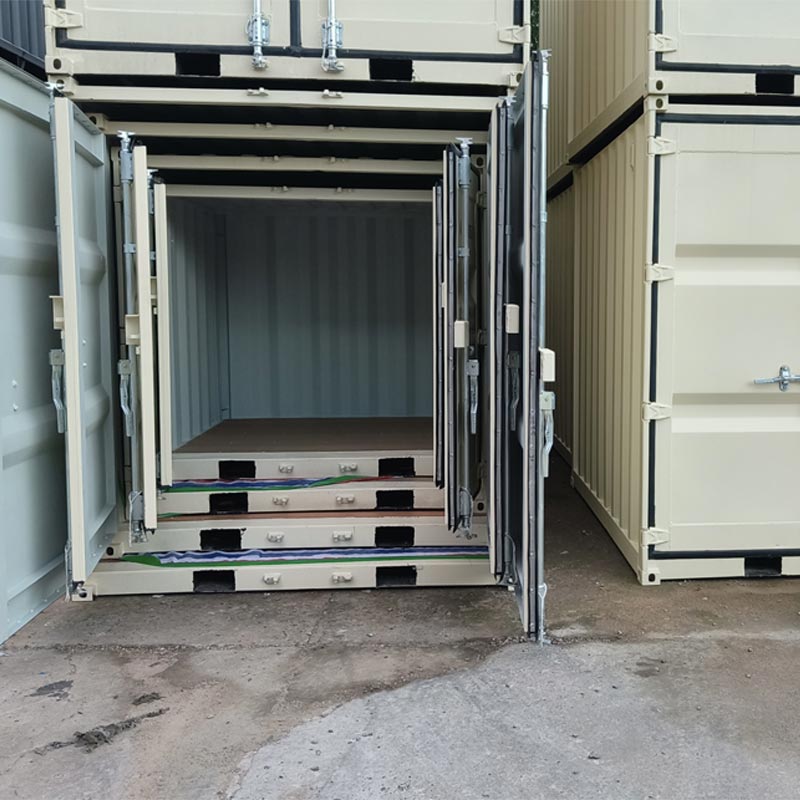
Table of Contents
- Introduction
- What is a Mini Container?
- Key Benefits of Mini Container Systems
- Applications Across Industries
- Design, Structure, and Materials
- Mini Container vs Traditional Storage Units
- How to Choose the Right Mini Container
- Installation and Usage Guidelines
- Common Problems and Practical Solutions
- Frequently Asked Questions
- Conclusion
Introduction
In today’s fast-paced logistics and storage environment, space efficiency has become a critical concern for businesses and individuals alike. The Mini Container has emerged as a compact yet highly functional solution designed to address limitations in storage capacity, transportation efficiency, and modular deployment. Unlike traditional large-scale containers, mini versions offer flexibility without compromising durability or security.
Whether used for residential storage, construction site management, retail logistics, or temporary deployment needs, mini containers are reshaping how space is utilized in constrained environments.
What is a Mini Container?
A Mini Container is a scaled-down version of a standard shipping or storage container, engineered for compact storage, easy transport, and versatile applications. Despite its reduced size, it retains the structural strength and weather resistance of full-sized containers.
- Typically ranges from 6ft to 10ft in length
- Constructed from high-strength steel or aluminum alloys
- Designed for portability and modular stacking
- Can be customized for storage, office, or equipment housing
Unlike conventional storage units, mini containers are optimized for mobility and space-saving deployment.
Key Benefits of Mini Container Systems
Mini containers offer multiple advantages that make them a preferred choice across industries:
- Space Optimization: Ideal for areas with limited space availability
- Cost Efficiency: Lower transportation and storage costs compared to full-size containers
- Durability: Resistant to harsh weather conditions, corrosion, and impact
- Flexibility: Easily relocated or repurposed
- Security: Lockable steel construction ensures asset protection
These benefits make mini containers a practical solution for both short-term and long-term usage scenarios.
Applications Across Industries
The versatility of mini containers allows them to be used in various sectors. Below are some of the most common applications:
- Construction sites for tool and material storage
- Retail businesses for overflow inventory management
- Residential use for seasonal or excess household items
- Event management storage for equipment and supplies
- Emergency response units for mobile supply storage
Their adaptability makes them valuable in both urban and remote environments where space constraints exist.
Design, Structure, and Materials
The engineering behind a Mini Container focuses on strength, portability, and environmental resistance. Most units are designed using industrial-grade steel frames reinforced with anti-corrosion coatings.
| Component | Material | Function |
|---|---|---|
| Frame | Galvanized Steel | Structural support and durability |
| Walls | Corten Steel / Aluminum Alloy | Weather resistance and insulation |
| Floor | Reinforced Plywood / Steel Plate | Load-bearing stability |
| Locking System | Heavy-duty Steel Lock | Security and anti-theft protection |
The modular design also allows for stacking and integration into larger storage systems.
Mini Container vs Traditional Storage Units
Understanding the differences between mini containers and traditional storage units helps in selecting the right solution.
| Feature | Mini Container | Traditional Storage Unit |
|---|---|---|
| Mobility | Highly portable | Fixed location |
| Durability | High (steel construction) | Moderate (varies) |
| Cost Efficiency | Lower long-term cost | Recurring rental fees |
| Customization | High | Limited |
This comparison highlights why mini containers are increasingly preferred for dynamic storage requirements.
How to Choose the Right Mini Container
Selecting the right Mini Container depends on several operational and environmental factors.
- Size Requirements: Determine storage volume and space availability
- Material Quality: Ensure corrosion-resistant construction
- Security Features: Evaluate locking mechanisms
- Mobility Needs: Consider transportation frequency
- Customization Options: Check for shelving or insulation upgrades
A well-chosen container improves operational efficiency and reduces long-term costs.
Installation and Usage Guidelines
Proper installation ensures maximum lifespan and performance of mini containers. Key guidelines include:
- Place on level ground to avoid structural stress
- Ensure adequate drainage around the base
- Avoid overloading beyond recommended capacity
- Perform regular maintenance checks on locks and hinges
- Apply protective coatings in high-humidity environments
Following these steps ensures long-term usability and structural integrity.
Common Problems and Practical Solutions
While mini containers are durable, users may encounter operational challenges. Below are common issues and solutions:
- Condensation Build-up: Install ventilation systems or moisture absorbers
- Rust Formation: Apply anti-corrosion coatings regularly
- Lock Jamming: Use lubricants and inspect locking systems
- Floor Wear: Reinforce with protective liners for heavy loads
Preventive maintenance significantly reduces downtime and repair costs.
Frequently Asked Questions
Q1: What is the lifespan of a Mini Container?
A Mini Container can last 10–25 years depending on material quality and maintenance practices.
Q2: Can Mini Containers be customized?
Yes, they can be modified with insulation, shelving, electrical fittings, and ventilation systems.
Q3: Are Mini Containers weatherproof?
Most are designed with weather-resistant materials suitable for rain, wind, and moderate temperature extremes.
Q4: Can they be transported easily?
Yes, their compact size allows for easy transport using forklifts, cranes, or small trucks.
Conclusion
The Mini Container represents a modern solution to evolving storage and logistics challenges. Its compact structure, durability, and adaptability make it suitable for a wide range of applications across industries. From construction sites to residential storage needs, it provides a reliable and efficient alternative to traditional storage systems.
For businesses seeking scalable and customizable container solutions, Container Family delivers engineered mini container systems designed for performance, durability, and flexibility. For tailored solutions and professional support, Container Family is ready to assist—contact us.
Send Inquiry



X
We use cookies to offer you a better browsing experience, analyze site traffic and personalize content. By using this site, you agree to our use of cookies.
Privacy Policy