

- English
 简体中文
简体中文 Español
 Português
 русский
 Français
 日本語
日本語 Deutsch
 tiếng Việt
 Italiano
 Nederlands
 ภาษาไทย
 Polski
 한국어
한국어 Svenska
 magyar
 Malay
Malay বাংলা ভাষার
 Dansk
Dansk Suomi
Suomi हिन्दी
 Pilipino
 Türkçe
 Gaeilge
 العربية
 Indonesia
 Norsk
Norsk تمل
تمل český
český ελληνικά
 український
 Javanese
 فارسی
فارسی தமிழ்
தமிழ் తెలుగు
 नेपाली
 Burmese
 български
 ລາວ
ລາວ Latine
 Қазақша
 Euskal
 Azərbaycan
 Slovenský jazyk
 Македонски
 Lietuvos
 Eesti Keel
 Română
 Slovenski
 मराठी
मराठी

How Does a Flat Rack Container Optimize Shipping for Oversized Cargo?
Article Summary
Flat rack containers are specialized shipping solutions designed for transporting oversized, heavy, or irregularly shaped cargo that cannot fit into standard containers. This article explores the design, features, and benefits of flat rack containers, providing a detailed guide for businesses seeking efficient, secure, and cost-effective shipping solutions. Readers will learn about types, specifications, loading techniques, and maintenance best practices to maximize operational efficiency.
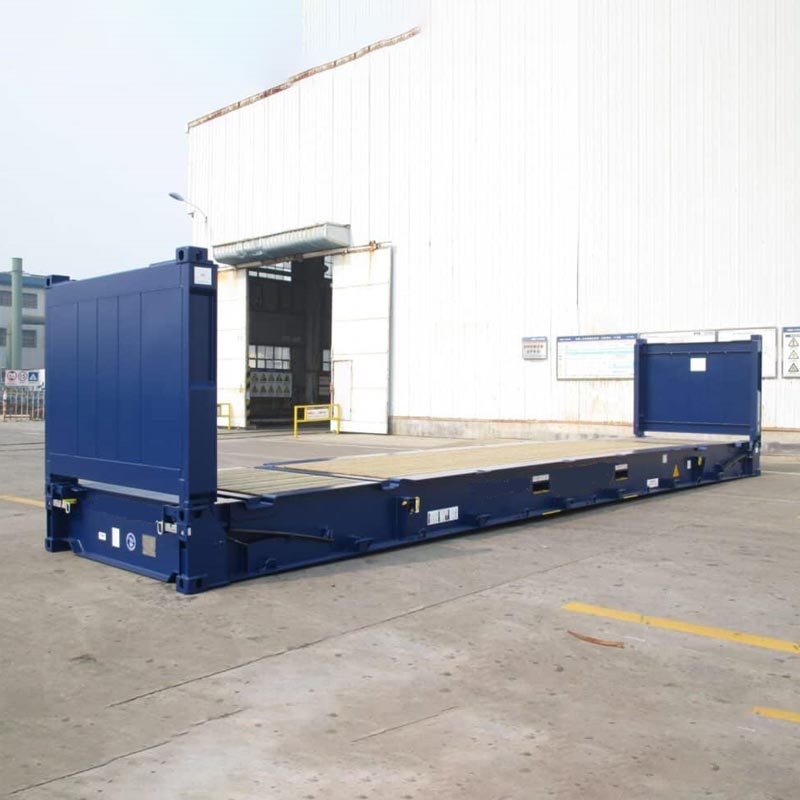
Table of Contents
- 1. What Is a Flat Rack Container?
- 2. How Does a Flat Rack Container Work?
- 3. Key Benefits of Using Flat Rack Containers
- 4. Technical Specifications and Parameters
- 5. Types of Flat Rack Containers
- 6. How to Load and Secure Cargo
- 7. Maintenance and Handling Tips
- 8. Frequently Asked Questions
- 9. Conclusion
1. What Is a Flat Rack Container?
A flat rack container is a type of intermodal shipping container with collapsible or fixed ends and no solid side walls, specifically engineered for oversized or unusually shaped cargo. Unlike standard containers, flat racks allow for overhanging loads and heavy machinery transport. Their robust structure provides stability while accommodating dimensions that exceed standard container limits.
These containers are widely used in industries such as construction, energy, and manufacturing, where large equipment, vehicles, or materials need secure transport across long distances.
2. How Does a Flat Rack Container Work?
Flat rack containers function by providing a strong base and supportive end walls while leaving the sides open for flexibility. Cargo is loaded directly onto the floor of the container and secured using specialized lashings, chains, or straps. For collapsible flat racks, the end walls can be folded down to accommodate extra-long cargo.
- Robust steel base ensures heavy cargo support
- End walls provide lateral stability and secure lifting points
- Open sides allow oversized or irregular loads
- Optional foldable ends increase versatility for long cargo
These features make flat rack containers ideal for transporting items that standard containers cannot accommodate efficiently.
3. Key Benefits of Using Flat Rack Containers
Flat rack containers offer several advantages over standard shipping solutions. They address common logistical challenges faced by businesses dealing with oversized or heavy cargo.
- Flexibility: Can carry loads exceeding standard container dimensions
- Heavy Load Capacity: Supports machinery, vehicles, and large equipment
- Easy Loading and Unloading: Forklifts, cranes, and gantry systems can access cargo from multiple sides
- Durable Construction: Withstands harsh transport conditions and reduces risk of damage
- Cost-Effective: Reduces the need for specialized transport vehicles in certain cases
4. Technical Specifications and Parameters
| Parameter | Description |
| Standard Length | 20ft, 40ft |
| Width | 8ft |
| Height | Varies depending on model; fixed or collapsible ends |
| Payload Capacity | Up to 60,000 kg depending on design |
| Material | High-strength steel with anti-corrosion coating |
| Stackability | Yes, can be stacked when ends are upright |
| Lashing Points | Multiple points on floor and end walls for secure fastening |
Flat rack containers from Container Family are engineered to meet international shipping standards, ensuring both safety and efficiency in transporting oversized cargo.
5. Types of Flat Rack Containers
Selecting the right type of flat rack container depends on the cargo and operational requirements.
- Collapsible Flat Rack: End walls fold down for over-length cargo
- Fixed Flat Rack: Permanent end walls for heavy machinery
- Open Top Flat Rack: Allows top-loading of tall or bulky items
- Side-Opening Flat Rack: Facilitates loading of wide equipment from the side
6. How to Load and Secure Cargo
Proper loading and securing techniques are critical to prevent damage and ensure compliance with transport regulations.
- Inspect container for structural integrity before loading
- Place cargo evenly to balance weight distribution
- Use lashings, chains, or straps at multiple anchor points
- Ensure overhanging cargo is properly marked and supported
- Follow safety regulations for lifting and handling oversized items
Adhering to proper loading practices increases safety and reduces operational delays during transit.
7. Maintenance and Handling Tips
Routine maintenance extends the lifespan of flat rack containers and ensures cargo safety.
- Inspect for corrosion, cracks, or damaged welds
- Lubricate movable end walls on collapsible models
- Clean container regularly to remove debris and moisture
- Ensure lashing points are intact and secure
- Store in a dry, level location when not in use
Proper handling and maintenance practices from Container Family guarantee reliability for repeated use in demanding shipping operations.
8. Frequently Asked Questions
Q1: Can flat rack containers be used for oversized machinery?
Yes, flat rack containers are specifically designed for machinery and equipment exceeding standard container dimensions.
Q2: Are collapsible flat racks more expensive than fixed racks?
Collapsible models may have slightly higher initial costs due to moving parts, but offer increased versatility for long-term operations.
Q3: How do I secure cargo safely?
Use multiple lashings or chains attached to certified anchor points, ensuring even weight distribution and stability during transit.
Q4: Can flat racks be stacked?
Yes, they can be stacked if the end walls are upright and weight limits are observed.
9. Conclusion
Flat rack containers provide an efficient, flexible, and reliable solution for transporting oversized or irregular cargo. By choosing the appropriate type, adhering to loading guidelines, and performing regular maintenance, businesses can optimize shipping operations while reducing costs and minimizing risks.
Container Family offers a full range of flat rack containers engineered to meet diverse shipping needs, combining strength, durability, and ease of use.
If you are seeking high-quality flat rack containers tailored to your logistics requirements, contact us today for professional guidance and solutions designed to streamline your shipping operations.
Send Inquiry



X
We use cookies to offer you a better browsing experience, analyze site traffic and personalize content. By using this site, you agree to our use of cookies.
Privacy Policy