

- English
 简体中文
简体中文 Español
 Português
 русский
 Français
 日本語
日本語 Deutsch
 tiếng Việt
 Italiano
 Nederlands
 ภาษาไทย
 Polski
 한국어
한국어 Svenska
 magyar
 Malay
Malay বাংলা ভাষার
 Dansk
Dansk Suomi
Suomi हिन्दी
 Pilipino
 Türkçe
 Gaeilge
 العربية
 Indonesia
 Norsk
Norsk تمل
تمل český
český ελληνικά
 український
 Javanese
 فارسی
فارسی தமிழ்
தமிழ் తెలుగు
 नेपाली
 Burmese
 български
 ລາວ
ລາວ Latine
 Қазақша
 Euskal
 Azərbaycan
 Slovenský jazyk
 Македонски
 Lietuvos
 Eesti Keel
 Română
 Slovenski
 मराठी
मराठी

What Is a Platform Container?
A Platform Container is a specialized logistics and industrial solution designed to transport oversized, heavy, or non-standard cargo that cannot be accommodated by traditional closed containers. As global industries continue to move larger, heavier, and more complex equipment across borders, the demand for reliable platform container solutions has grown rapidly. This article provides a comprehensive overview of platform containers, their structure, applications, advantages, challenges, and how businesses can choose the right solution for long-term operational success.
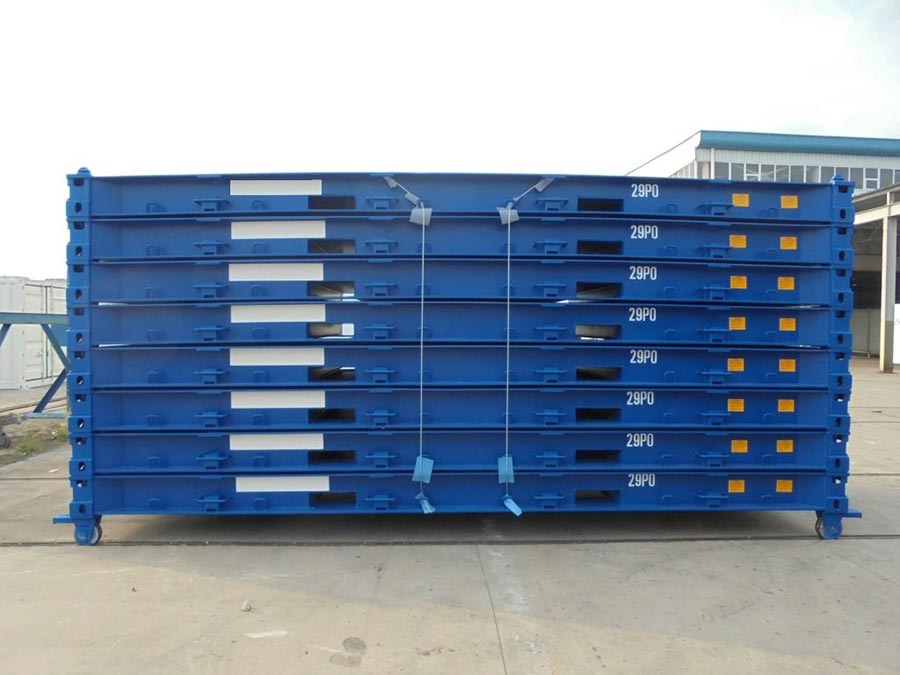
Table of Contents
- Introduction to Platform Containers
- Why Traditional Containers Are Not Always Enough
- Core Structure and Design of a Platform Container
- Main Types of Platform Containers
- Key Industries That Rely on Platform Containers
- How Platform Containers Solve Common Logistics Pain Points
- Platform Container vs Other Open Container Solutions
- Material Standards and Load-Bearing Capacity
- Customization Options for Special Cargo
- Safety, Stability, and Compliance Considerations
- Operational Efficiency and Cost Control
- Real-World Application Scenarios
- Choosing the Right Platform Container Partner
- Why Container Family (Qingdao) Intelligent Technology Co., Ltd.
- Frequently Asked Questions
- Final Thoughts and Next Steps
Introduction to Platform Containers
A Platform Container is an open, flat-based container structure engineered to carry cargo that exceeds the height or width limits of standard containers. Unlike enclosed containers, it removes sidewalls and roofs while maintaining a reinforced base and corner posts for secure handling and stacking.
Platform containers are commonly used for machinery, construction components, energy equipment, steel structures, and other oversized industrial goods. Companies such as Container Family (Qingdao) Intelligent Technology Co., Ltd. focus on delivering platform container solutions that combine strength, flexibility, and long-term durability.
Why Traditional Containers Are Not Always Enough
Standard dry containers are ideal for boxed, palletized, or uniform cargo. However, many industries face recurring challenges when transporting:
- Extra-long or wide machinery
- Heavy industrial components
- Irregularly shaped cargo
- Equipment requiring top or side loading
In these situations, enclosed containers create limitations rather than efficiency. Platform containers eliminate these restrictions by providing unrestricted access and higher load-bearing capacity.
Core Structure and Design of a Platform Container
A platform container consists of a reinforced steel base with integrated corner castings. The base is designed to distribute weight evenly while supporting extremely heavy loads.
| Component | Function |
|---|---|
| Steel Platform Base | Supports cargo weight and distributes load |
| Corner Castings | Enable lifting, stacking, and securing |
| Reinforced Cross Beams | Enhance structural rigidity |
| Lashing Points | Secure oversized cargo during transit |
Main Types of Platform Containers
Platform containers are available in multiple configurations depending on transport needs:
- Fixed-end platform containers
- Collapsible-end platform containers
- Heavy-duty platform containers
- Custom-engineered platforms for project cargo
Manufacturers like Container Family (Qingdao) Intelligent Technology Co., Ltd. often provide tailored solutions based on cargo weight, dimensions, and transport routes.
Key Industries That Rely on Platform Containers
Platform containers play a critical role across multiple industries:
- Construction and infrastructure
- Energy and power generation
- Oil and gas equipment transport
- Mining and heavy machinery
- Shipbuilding and steel fabrication
How Platform Containers Solve Common Logistics Pain Points
Businesses often struggle with high transportation costs, loading inefficiencies, and cargo damage risks. Platform containers address these challenges by:
- Allowing top and side loading for large equipment
- Reducing the need for disassembly
- Improving load stability during transit
- Minimizing handling time at ports
Platform Container vs Other Open Container Solutions
| Feature | Platform Container | Flat Rack Container |
|---|---|---|
| Side Walls | None | Partial or removable |
| Load Capacity | Very High | High |
| Customization | Extensive | Moderate |
Material Standards and Load-Bearing Capacity
High-quality platform containers use corrosion-resistant steel, reinforced welding techniques, and precision engineering. Load capacity can exceed tens of tons depending on design specifications.
At Container Family (Qingdao) Intelligent Technology Co., Ltd., material selection and structural testing are key priorities to ensure long-term performance in demanding environments.
Customization Options for Special Cargo
Customization is essential when dealing with non-standard cargo. Common options include:
- Extended length platforms
- Additional lashing points
- Anti-slip surface treatments
- Special coatings for marine environments
Safety, Stability, and Compliance Considerations
Safe transport depends on proper load distribution, secure fastening, and compliance with international transport standards. Platform containers are designed to integrate with cranes, forklifts, and port handling systems without compromising stability.
Operational Efficiency and Cost Control
Although platform containers may require a higher initial investment, they often reduce total logistics costs by minimizing cargo preparation, reducing damage risk, and speeding up loading and unloading processes.
Real-World Application Scenarios
From transporting wind turbine components to moving oversized industrial presses, platform containers have proven to be indispensable in complex logistics projects worldwide.
Choosing the Right Platform Container Partner
Selecting a reliable supplier is just as important as choosing the right container. Key evaluation criteria include manufacturing capability, customization experience, quality control systems, and after-sales support.
Why Container Family (Qingdao) Intelligent Technology Co., Ltd.
Container Family (Qingdao) Intelligent Technology Co., Ltd. specializes in advanced container solutions with a focus on durability, flexibility, and real-world usability. Their platform containers are designed to meet demanding industrial transport requirements across global markets.
Frequently Asked Questions
Q: What makes a platform container different from a standard container?
A: A platform container has an open structure designed for oversized or heavy cargo that cannot fit inside enclosed containers.
Q: Are platform containers suitable for international shipping?
A: Yes, they are widely used in international logistics when properly secured and handled.
Q: Can platform containers be customized?
A: Yes, customization is common to match specific cargo dimensions and weight requirements.
Q: What industries benefit most from platform containers?
A: Construction, energy, mining, and heavy manufacturing industries rely heavily on platform containers.
Final Thoughts and Next Steps
Platform containers are an essential solution for modern logistics challenges involving oversized and heavy cargo. By understanding their structure, applications, and advantages, businesses can make informed decisions that improve efficiency and reduce risk.
If you are looking for reliable, high-performance platform container solutions tailored to your operational needs, Container Family (Qingdao) Intelligent Technology Co., Ltd. is ready to support your project. Contact us today to discuss your requirements and discover how our platform container solutions can help move your business forward with confidence.
Send Inquiry



X
We use cookies to offer you a better browsing experience, analyze site traffic and personalize content. By using this site, you agree to our use of cookies.
Privacy Policy