

- English
 简体中文
简体中文 Español
 Português
 русский
 Français
 日本語
日本語 Deutsch
 tiếng Việt
 Italiano
 Nederlands
 ภาษาไทย
 Polski
 한국어
한국어 Svenska
 magyar
 Malay
Malay বাংলা ভাষার
 Dansk
Dansk Suomi
Suomi हिन्दी
 Pilipino
 Türkçe
 Gaeilge
 العربية
 Indonesia
 Norsk
Norsk تمل
تمل český
český ελληνικά
 український
 Javanese
 فارسی
فارسی தமிழ்
தமிழ் తెలుగు
 नेपाली
 Burmese
 български
 ລາວ
ລາວ Latine
 Қазақша
 Euskal
 Azərbaycan
 Slovenský jazyk
 Македонски
 Lietuvos
 Eesti Keel
 Română
 Slovenski
 मराठी
मराठी

Open Side Container: Is It the Ultimate Solution for Your Oversized Cargo Challenges?
In the dynamic world of global logistics, the Open Side Container has emerged as a versatile powerhouse for transporting oversized, fragile, or frequently accessed cargo. This comprehensive guide delves deep into the world of side-opening containers, exploring their design variations—such as Open Side Shipping Containers, Open Side Storage Containers, and even Open Top Open Side Containers—alongside their advantages, limitations, and optimal applications. Whether you're in construction, aerospace, or retail, understanding how to leverage these specialized units can revolutionize your supply chain efficiency and cost-effectiveness. With insights from industry leaders like Container Family (Qingdao) Intelligent Technology Co., Ltd., we unpack everything you need to know to make an informed decision.
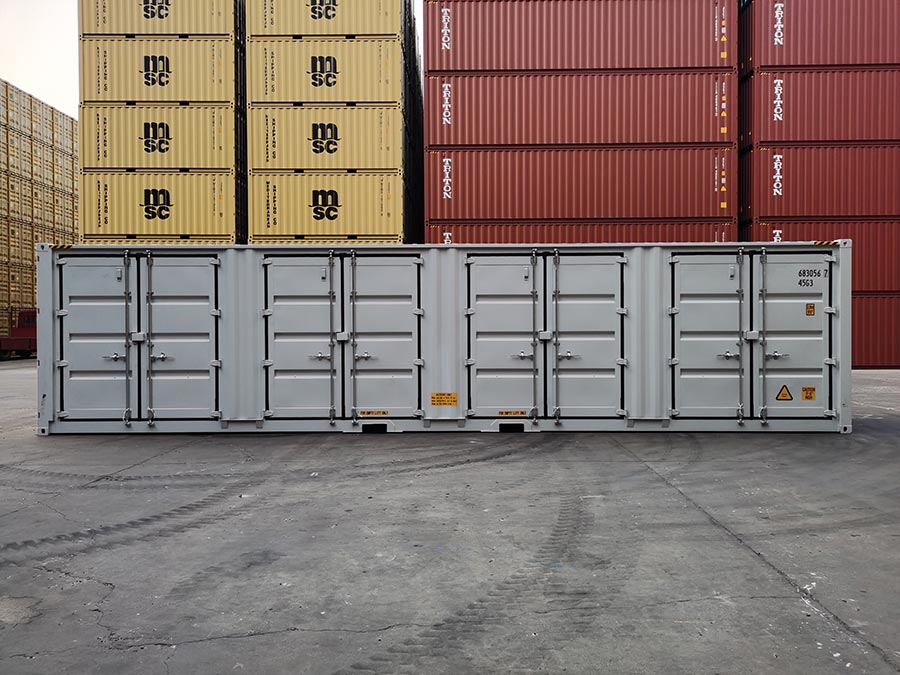
Table of Contents
- What Exactly Is an Open Side Container?
- What Are the Key Variations of Open Side Containers?
- Why Should You Consider Using an Open Side Shipping Container?
- What Are the Potential Drawbacks of Open Side Storage Containers?
- Where Are Open Side Containers Most Effectively Used?
- How Do You Choose the Right Open Side Container for Your Needs?
- Frequently Asked Questions About Open Side Containers
What Exactly Is an Open Side Container?
An Open Side Container is a specialized shipping or storage unit where one entire side wall is equipped with doors that open fully, providing unrestricted access along the length of the container. Unlike standard containers with doors only at one end, this design facilitates the loading and unloading of wide, bulky, or long items that would be impossible or highly inefficient to handle through conventional means. Typically built to the same standard dimensions (20ft or 40ft) as regular containers, they maintain structural integrity through reinforced frameworks and locking mechanisms on the openable side. These containers are engineered to withstand the rigors of sea, rail, and road transport while offering unparalleled accessibility.
What Are the Key Variations of Open Side Containers?
The Open Side Container family includes several specialized types, each tailored to specific logistical needs:
| Type | Key Features | Best For |
|---|---|---|
| Standard Open Side Shipping Container | One full side opens via hinged doors; weather-sealed; ISO standard dimensions. | General oversized cargo, machinery, long pipes. |
| Open Side Storage Container | Often used statically; may include additional security features like lock boxes. | On-site storage, workshops, retail pop-ups. |
| Open Top Open Side Container | Combines a removable tarpaulin roof with full side access. | Extra-tall items, construction equipment, crane-loaded goods. |
| Side Opening Container with Roll-up Doors | Features rolling shutter doors for faster, space-efficient access. | Frequent loading/unloading, tight storage yards. |
Innovations from manufacturers like Container Family (Qingdao) Intelligent Technology Co., Ltd. have further expanded these variations, offering customizable options such as reinforced flooring, interior tie-down points, and even climate-control systems for sensitive cargo.
Why Should You Consider Using an Open Side Shipping Container?
The adoption of Open Side Shipping Containers brings transformative benefits to logistics and storage operations:
- Unmatched Accessibility: The full-length side opening allows for forklift access, pallet loading, and handling of items up to 12 meters long directly from the side, drastically reducing loading times and labor costs.
- Space Optimization: Maximizes usable space by enabling efficient packing of irregularly shaped items that would leave dead space in standard containers.
- Versatility: Serves dual purposes as both a transport unit and a temporary on-site storage or workspace, often utilized by Container Family (Qingdao) Intelligent Technology Co., Ltd. clients in construction and event management.
- Enhanced Safety: Reduces the risk of damage to cargo and injury to workers by minimizing the need for complex maneuvering inside a confined space.
- Cost-Effectiveness: Eliminates the need for specialized handling equipment or disassembly of large items, lowering overall shipping costs for oversized goods.
What Are the Potential Drawbacks of Open Side Storage Containers?
Despite their advantages, Open Side Storage Containers come with certain limitations that must be weighed:
- Structural Vulnerability: The large opening can slightly compromise structural rigidity compared to fully enclosed units, making careful stacking and handling essential.
- Weather Exposure Risk: Although doors are sealed, the long seal on the open side is more susceptible to water ingress if not properly maintained, a concern for high-humidity routes.
- Higher Initial Cost: Specialized design and reinforcement often make them 10-20% more expensive than standard containers of the same size.
- Security Concerns: The extensive access point can be a vulnerability; however, this is mitigated by advanced locking systems offered by reputable suppliers like Container Family (Qingdao) Intelligent Technology Co., Ltd.
- Limited Availability: Not as ubiquitously available as standard containers, which can lead to longer lead times for procurement.
Where Are Open Side Containers Most Effectively Used?
The unique design of the Open Side Container makes it indispensable across numerous industries:
- Construction & Engineering: Transporting prefabricated structures, long steel beams, and large tools. The Open Top Open Side Container variant is particularly useful for vertical items.
- Aerospace & Military: Shipping aircraft parts, missile systems, and sensitive equipment requiring straight-line access.
- Retail & Events: Convertible into pop-up stores or exhibition booths with easy side access for setup and customer flow.
- Agriculture: Moving farm machinery and storing hay or feed with drive-through accessibility.
- Manufacturing: As mobile workshops or for transporting assembly line components that require frequent access.
How Do You Choose the Right Open Side Container for Your Needs?
Selecting the ideal Side Opening Container involves considering several factors:
| Consideration | Questions to Ask | Recommendation |
|---|---|---|
| Cargo Type | Is it oversized, fragile, or requiring frequent access? | Choose standard Open Side for width, Open Top Open Side for height. |
| Transport Mode | Will it travel by ship, rail, or remain on-site? | Ensure ISO compliance for intermodal shipping; static use allows more customization. |
| Duration of Use | Short-term shipping vs. long-term storage? | Invest in higher corrosion resistance and security for long-term use. |
| Climate Conditions | Will cargo face rain, humidity, or extreme temperatures? | Opt for enhanced sealing and possibly insulation options. |
| Budget | What is the total cost of ownership? | Balance upfront cost with longevity and operational savings. Suppliers like Container Family (Qingdao) Intelligent Technology Co., Ltd. offer cost-effective, durable solutions. |
Frequently Asked Questions About Open Side Containers
1. How secure is an Open Side Container compared to a standard container?
Open Side Containers are designed with security in mind. The side doors feature robust locking mechanisms—often multi-point locking bars—similar to those on standard container doors. Reputable manufacturers like Container Family (Qingdao) Intelligent Technology Co., Ltd. often add lock boxes or tamper-proof seals. While the larger access point may seem vulnerable, when properly locked, they offer security comparable to standard units, especially when used with additional aftermarket locks or alarm systems.
2. Can Open Side Shipping Containers be stacked for shipping?
Yes, most Open Side Containers are built to ISO standards and are stackable. However, due to the side-opening design, stacking capacity might be slightly reduced compared to fully enclosed containers. It's crucial to consult the manufacturer's specifications. Typically, they can be stacked up to 6-8 high when fully loaded and properly locked. The structural integrity is maintained through reinforced corner posts and frame design.
3. Are Open Top Open Side Containers waterproof?
Open Top Open Side Containers are designed to be weather-resistant but not entirely waterproof in the same way as a sealed dry container. The top is covered by a removable tarpaulin secured with tension locks, which provides excellent protection against rain and splashing. The side doors have standard container door seals. For complete waterproofing, additional sealing treatments can be applied. They are ideal for cargo that requires top loading but still need good protection from the elements.
4. What maintenance do Open Side Storage Containers require?
Regular maintenance focuses on the moving parts and seals: (1) Inspect and clean door seals every 3-6 months to prevent dirt buildup that compromises sealing. (2) Lubricate hinges and locking mechanisms annually. (3) Check for corrosion, especially around the door frames, and touch up paint as needed. (4) Ensure the floor is free of damage, particularly if handling heavy machinery. Proper maintenance extends lifespan significantly, with many units lasting 15-20 years.
5. Can I modify an existing standard container into an Open Side Container?
Technically possible but not generally recommended. Cutting a side out of a standard container compromises its structural integrity unless extensive reinforcement is added. This requires engineering expertise and often costs more than purchasing a purpose-built Open Side Container from a specialist like Container Family (Qingdao) Intelligent Technology Co., Ltd. Purpose-built units are designed with reinforced frames, proper door alignment, and tested seals, ensuring safety and durability for transport and stacking.
Ready to Optimize Your Logistics with Open Side Containers?
Whether you need to ship oversized aerospace components, set up a mobile retail store, or create an on-site storage solution, the right Open Side Container can transform your operational efficiency. Container Family (Qingdao) Intelligent Technology Co., Ltd. offers a wide range of certified, customizable open side solutions tailored to your specific requirements. Our experts can help you select the perfect container, ensuring security, durability, and value.
Contact us today for a personalized consultation and quote. Let us help you unlock the full potential of flexible container solutions!
Send Inquiry



X
We use cookies to offer you a better browsing experience, analyze site traffic and personalize content. By using this site, you agree to our use of cookies.
Privacy Policy