

- English
 简体中文
简体中文 Español
 Português
 русский
 Français
 日本語
日本語 Deutsch
 tiếng Việt
 Italiano
 Nederlands
 ภาษาไทย
 Polski
 한국어
한국어 Svenska
 magyar
 Malay
Malay বাংলা ভাষার
 Dansk
Dansk Suomi
Suomi हिन्दी
 Pilipino
 Türkçe
 Gaeilge
 العربية
 Indonesia
 Norsk
Norsk تمل
تمل český
český ελληνικά
 український
 Javanese
 فارسی
فارسی தமிழ்
தமிழ் తెలుగు
 नेपाली
 Burmese
 български
 ລາວ
ລາວ Latine
 Қазақша
 Euskal
 Azərbaycan
 Slovenský jazyk
 Македонски
 Lietuvos
 Eesti Keel
 Română
 Slovenski
 मराठी
मराठी

What do the various markings on the shipping container signify?
Whether it's special container or standard shipping container created Container Family, they all have a lot of information printed on them as the following picture. So, do you understand the meanings represented by these markings?
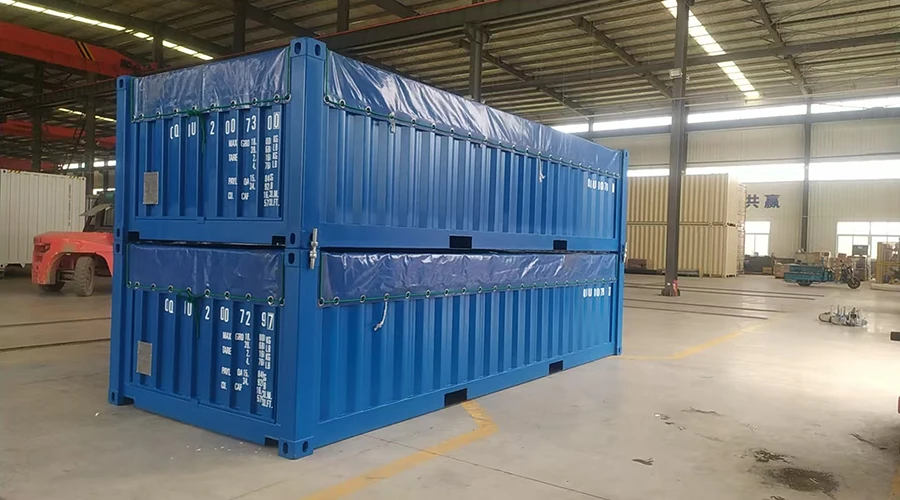
It is essential to clarify at the outset that these pieces of information are not random. According to legal regulations, special containers and standard containers are required to disclose essential information to ensure the safety of transportation and usage. And these markings are precisely the display of the key information of the container. Next, I will systematically introduce the information conveyed by these signs.
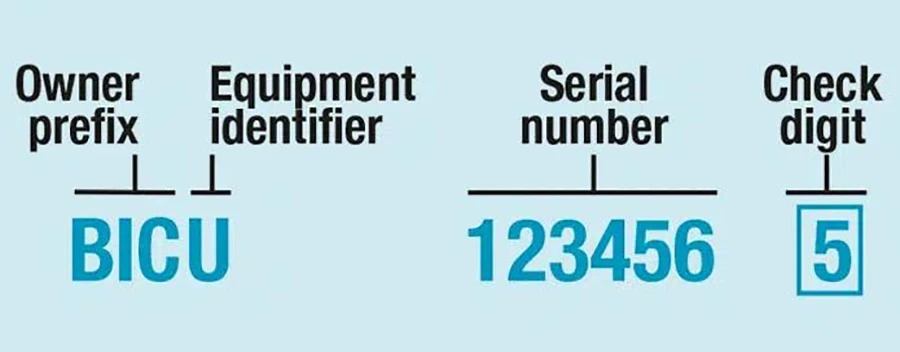
I.Container Number
Container Number This code consists of four letters and seven numbers and is unique. It is used to identify containers globally, making this sequence the most important container identifier. It mainly comprises the following parts:
The first three letters: Container Owner Code This code is uniformly allocated by the International Container Bureau (BIC), representing the shipping company/leasing container company.
1. Fourth letter: Equipment category identification code
The fourth letter is only U/J/Z. Among them, U represents standard dry cargo containers (most containers are of this type), J indicates container-mounted detachable equipment, and Z represents chassis vehicles and trailers.
2. The middle six digits: Serial number of the box sequence
For the same container owner, each container is assigned an independent number. If the number is less than six digits, leading zeros will be added to make it six digits long.
3. The last digit: Check code
This check code will be marked with a box and is derived from the first ten characters through a fixed algorithm, to prevent errors in customs declaration and data entry when entering the box number.
II. Container Size Code
The shipping container size code, also known as the ISO code, is also assigned by BIC to prevent confusion in container naming. This code is typically used to indicate the length, height and type of the container.
First table length: 2 = 20 feet; 4=40ft; 45=45ft
The second digit represents the height specification: 0 = 8 feet (extremely rare); 2 = 8.5 feet ordinary cabinet GP; 5 = 9.5 feet high container HQ/HC
The last two digits indicate the type of container: G1/GP = General Dry Cargo Container; H1/HQ/HC = High Rack Of course, there are also some special cabinets, such as the refrigeration cabinet R1/RF; Open-top container OT Frozen high cabinets H2/RH, etc.
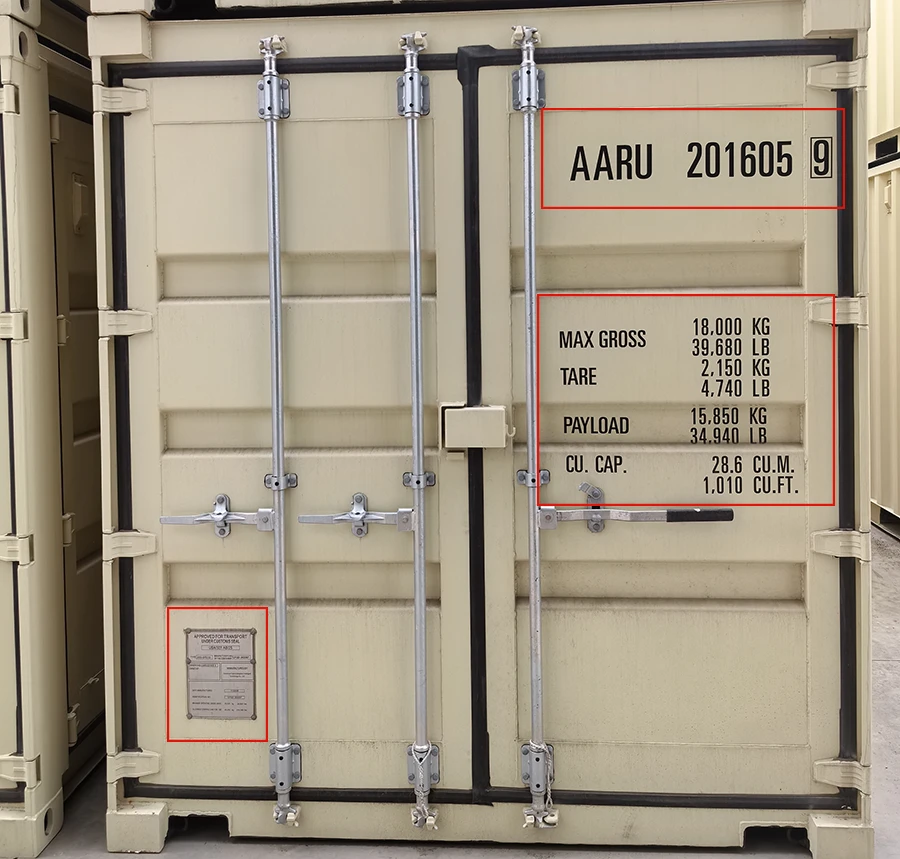
III. Weight Information
MAX GROSS.The maximum total weight that the container can carry, including the weight of the container itself.
TARE.The actual weight of an empty container.
PAYLOAD.The maximum weight of goods that a container can carry.
CU.CAP.The maximum cubic volume that can be accommodated within a container for loading goods.
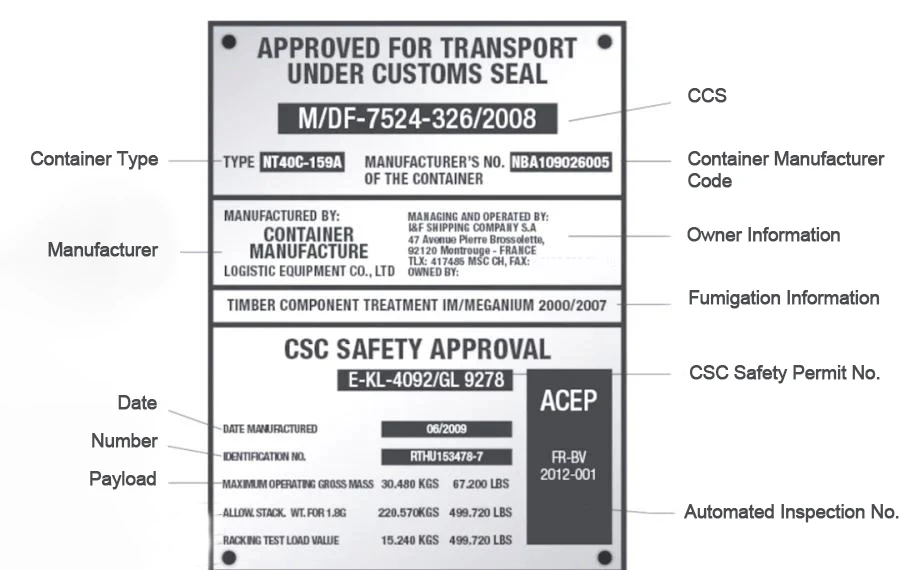
IV. CSC Nameplate
All containers used for international transportation must be equipped with valid CSC labels. The CSC label usually includes the manufacturing date, MGW, Tare, Payload, manufacturer code, box specification, certification country and approval code. It is also a document for inspection records. A CSC safety re-inspection must be conducted every 30 months after five years.
Container Family is a professional special containers manufacturer who has more than 10 years,we can ensure that the containers sent to you will be strictly marked with "ID card" as per the requirements. At the same time, we will also assist you in completing the safety inspection of the products and updating the labels during the subsequent usage process.We have designed kinds of special containers,including pallet wide containers,offshore DNV containers,energy storage containers,etc.Contact us to leave your message or send your inquiry,our sale team will respond to you as soon as possible.
Send Inquiry



X
We use cookies to offer you a better browsing experience, analyze site traffic and personalize content. By using this site, you agree to our use of cookies.
Privacy Policy