

- English
 简体中文
简体中文 Español
 Português
 русский
 Français
 日本語
日本語 Deutsch
 tiếng Việt
 Italiano
 Nederlands
 ภาษาไทย
 Polski
 한국어
한국어 Svenska
 magyar
 Malay
Malay বাংলা ভাষার
 Dansk
Dansk Suomi
Suomi हिन्दी
 Pilipino
 Türkçe
 Gaeilge
 العربية
 Indonesia
 Norsk
Norsk تمل
تمل český
český ελληνικά
 український
 Javanese
 فارسی
فارسی தமிழ்
தமிழ் తెలుగు
 नेपाली
 Burmese
 български
 ລາວ
ລາວ Latine
 Қазақша
 Euskal
 Azərbaycan
 Slovenský jazyk
 Македонски
 Lietuvos
 Eesti Keel
 Română
 Slovenski
 मराठी
मराठी

How Can a Wastewater Treatment Container Improve Your Operations?
Summary: Wastewater management is a critical challenge for industries, municipalities, and commercial facilities. A wastewater treatment container offers a flexible, efficient, and eco-friendly solution for handling and treating wastewater on-site. This article explores how these containers work, what makes them effective, and why they are a game-changer for modern wastewater management.
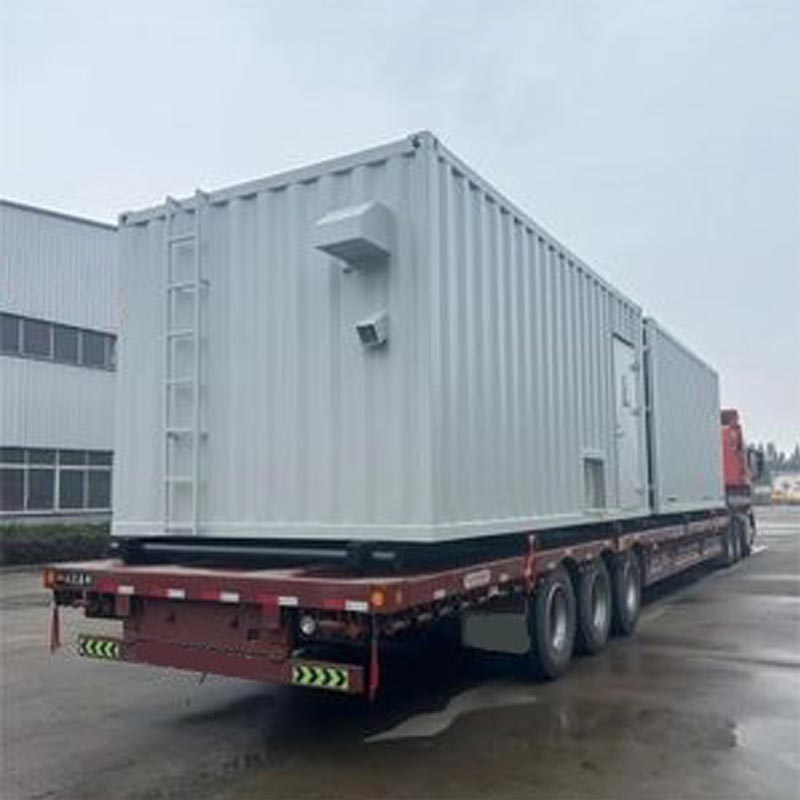
Table of Contents
- How Wastewater Treatment Containers Work
- Key Features and Benefits
- Why Choose a Wastewater Treatment Container
- Implementation Considerations
- Frequently Asked Questions
How Wastewater Treatment Containers Work
Wastewater treatment containers are compact, modular systems designed to treat wastewater efficiently on-site. They are pre-fabricated, transportable units that integrate various treatment technologies including:
- Physical Filtration: Removes solids and debris through screens and sedimentation tanks.
- Chemical Treatment: Uses chemical agents to neutralize harmful compounds and reduce contaminants.
- Biological Treatment: Incorporates bacteria and microorganisms to break down organic waste.
- Advanced Disinfection: Employs UV or chlorine-based methods to kill pathogens before discharge.
These containers are designed for plug-and-play installation, requiring minimal site preparation. Operators can monitor and control the treatment process through digital control panels, ensuring compliance with local wastewater regulations.
| Component | Function | Benefit |
|---|---|---|
| Inlet Screen | Traps large solids and debris | Protects downstream equipment |
| Settling Tank | Separates suspended solids | Reduces sludge load |
| Bioreactor | Breaks down organic matter biologically | Improves water quality |
| Disinfection Unit | Kills bacteria and pathogens | Ensures safe effluent discharge |
Key Features and Benefits
Understanding the advantages of wastewater treatment containers helps decision-makers choose the right solution. The primary benefits include:
- Mobility: Easily transportable for temporary or remote sites.
- Space Efficiency: Compact design fits in limited space environments.
- Cost-Effective: Reduces expenses associated with large-scale wastewater plants.
- Environmental Compliance: Meets or exceeds local and international wastewater standards.
- Low Maintenance: Automated monitoring minimizes manual intervention.
For industries with variable wastewater volumes, these containers provide a scalable solution. They can be deployed individually or connected in series to handle higher capacity requirements.
Why Choose a Wastewater Treatment Container
There are several reasons why businesses and municipalities opt for wastewater treatment containers from Container Family:
- Flexibility: Ideal for construction sites, remote locations, or emergency setups.
- Speed of Deployment: Ready-to-use systems drastically reduce installation time.
- Operational Efficiency: Integrated systems streamline wastewater processing and monitoring.
- Reduced Environmental Impact: Minimizes water pollution and supports sustainable practices.
- Customizable Solutions: Containers can be tailored to meet specific wastewater types and volumes.
Choosing a containerized system eliminates the need for extensive civil works, allowing faster compliance with environmental regulations while reducing operational complexity.
Implementation Considerations
Before implementing a wastewater treatment container, the following factors should be evaluated:
- Volume and Composition: Understand the average flow and chemical characteristics of your wastewater.
- Regulatory Requirements: Ensure that the treated water meets local discharge standards.
- Site Accessibility: Verify that the container can be safely transported and installed on-site.
- Maintenance Plan: Develop a schedule for regular inspections, chemical replenishment, and equipment servicing.
- Integration with Existing Systems: Consider connections to existing sewer lines or storage tanks.
With proper planning, a wastewater treatment container can deliver significant operational and environmental benefits.
Frequently Asked Questions
Q1: Can wastewater treatment containers handle industrial effluent?
Yes, containers from Container Family can be customized to treat various types of industrial wastewater, including chemical and organic effluents.
Q2: How long does it take to install a container?
Installation is typically completed within a few days due to the modular and pre-fabricated design.
Q3: Are these containers energy-efficient?
Yes, they are designed with energy-saving pumps, aeration systems, and automated controls to minimize power consumption.
Q4: Can the system be expanded if wastewater volume increases?
Absolutely. Containers can be linked in series or parallel configurations to handle higher capacities.
Q5: What kind of maintenance is required?
Routine maintenance includes checking filters, sludge removal, chemical dosing, and system monitoring. Container Family provides guidance and service support.
Conclusion
Wastewater treatment containers are transforming the way industries and municipalities manage wastewater. Offering flexibility, efficiency, and compliance, they provide a practical solution for sites of all sizes. With Container Family, businesses gain access to high-quality, ready-to-deploy systems that streamline wastewater management and support sustainability goals.
Ready to upgrade your wastewater management? Contact us today to learn how our Wastewater Treatment Containers can meet your specific needs!
Send Inquiry



X
We use cookies to offer you a better browsing experience, analyze site traffic and personalize content. By using this site, you agree to our use of cookies.
Privacy Policy